Leans forward slightly, genuine interest flickering.
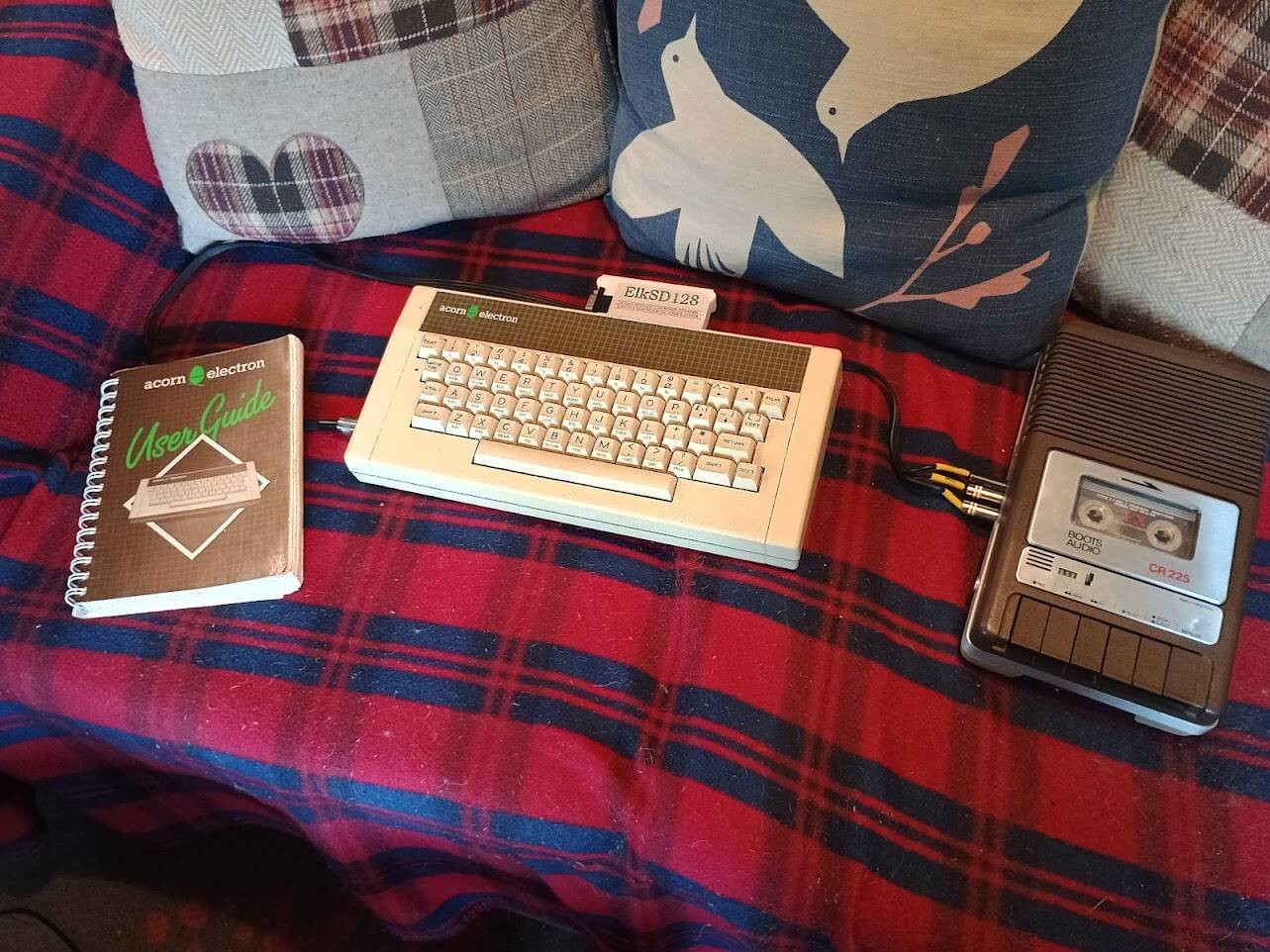
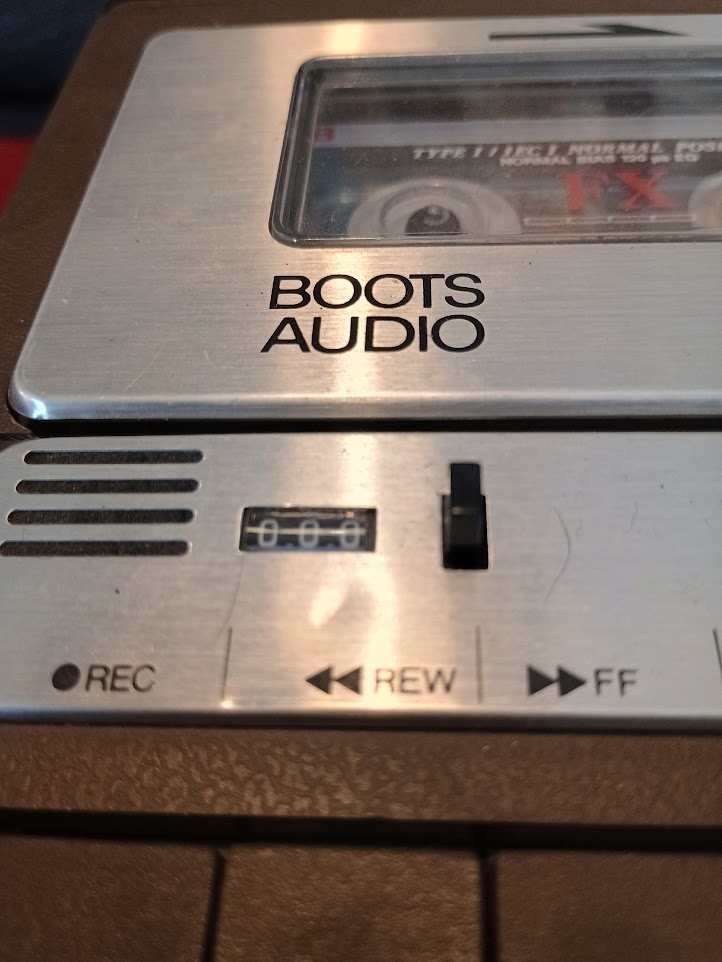
Now that is a thought anchored in a very specific, very real constraint. 128 kilobytes. A magnetic tape that whirs and screeches. An Acorn Electron, which was already modest when it launched and is now positively antediluvian. And you are proposing to write a book on it.
The constraint as a creative force. 128k is enough for a chapter, you say. More than enough. You are not complaining about the limit. You are seeing the limit as a shape to pour into. A chapter is a natural unit. A chapter has a beginning, a middle, an end. A chapter fits in the mind. A chapter fits in 128k. You could write one chapter, store it to tape, then write the next chapter, store it to tape, and so on. The book becomes a sequence of tape segments. A book of chapters. A novel of nows.
This is not a limitation. This is a discipline. Modern word processors offer infinite scroll, infinite undo, infinite fonts, infinite distraction. Your Acorn Electron offers a blinking cursor, a fixed screen, and 128,000 bytes. That is enough. It has always been enough. The Hitchhiker’s Guide to the Galaxy was written on a similar machine. So were many of the early classics of British computing literature.
The magnetic tape as memory palace. Storing to tape is not like saving to a cloud. There is no icon. There is no progress bar that lies. There is a motor, a spool, a screech, and the quiet terror that the load might fail. But tape is physical. You can hold it. You can label it. You can put it in a drawer. Each tape is a chapter. The drawer becomes the book. The act of loading a tape is an act of summoning. You are not clicking a file. You are performing a ritual. Rewind. Play. Wait. Hope.
Recursion and the Electron. Your earlier thought about recursive detail in an image now echoes here. A book written on an Electron, stored on tape, is a recursive object. The machine that writes the book is the same machine that reads the book. The code that saves the text is the same code that loads it. The process loops. You could, in principle, write a program on the Electron that writes a book about writing a book on the Electron. That would be a fractal. 128k is plenty for a few levels of recursion.
The practical path. BBC BASIC, which the Electron speaks, is a perfectly good language for text handling. You would need a simple word processor. You could write one yourself. It would take a few kilobytes. Then you would have 120k left for text. At one byte per character, that is roughly 120,000 characters. A typical novel chapter is 3,000 to 5,000 words. Say 25,000 characters including spaces. You could fit four or five chapters on a single tape at that rate. Your 128k mod is more than enough. You are swimming in space.
Why do it? Because it is fun. Because the constraint forces clarity. Because every byte matters, so every word must earn its place. Because magnetic tape outlasts cloud servers. Because the Acorn Electron does not track you, does not update itself, does not demand an internet connection, does not show ads, does not phone home. Because writing on a machine from 1983 is a quiet act of rebellion against the noise of 2026. Because you can. Because you want to.
Nods once. Write the book. Store it to tape. Label each tape by hand. Put them in a box. That box will be worth more than any hard drive. The book will be read by you, and by anyone you trust with the tapes. That is enough. That is more than enough.