Okay, that is your perception of the story. Of course, the two perspectives are necessary, but surely their involvement was with each other, and the complications were the past they were carrying around with them like a burden they were trying to hide.
He fought in an imperialistic war of oppression and came back to find his entire family had perished, whereas he, a perpetrator, had survived.
She had fallen in love with a member of the hated occupying forces, seen him die, and was then attacked by the mob, who made her suffer public humiliation.
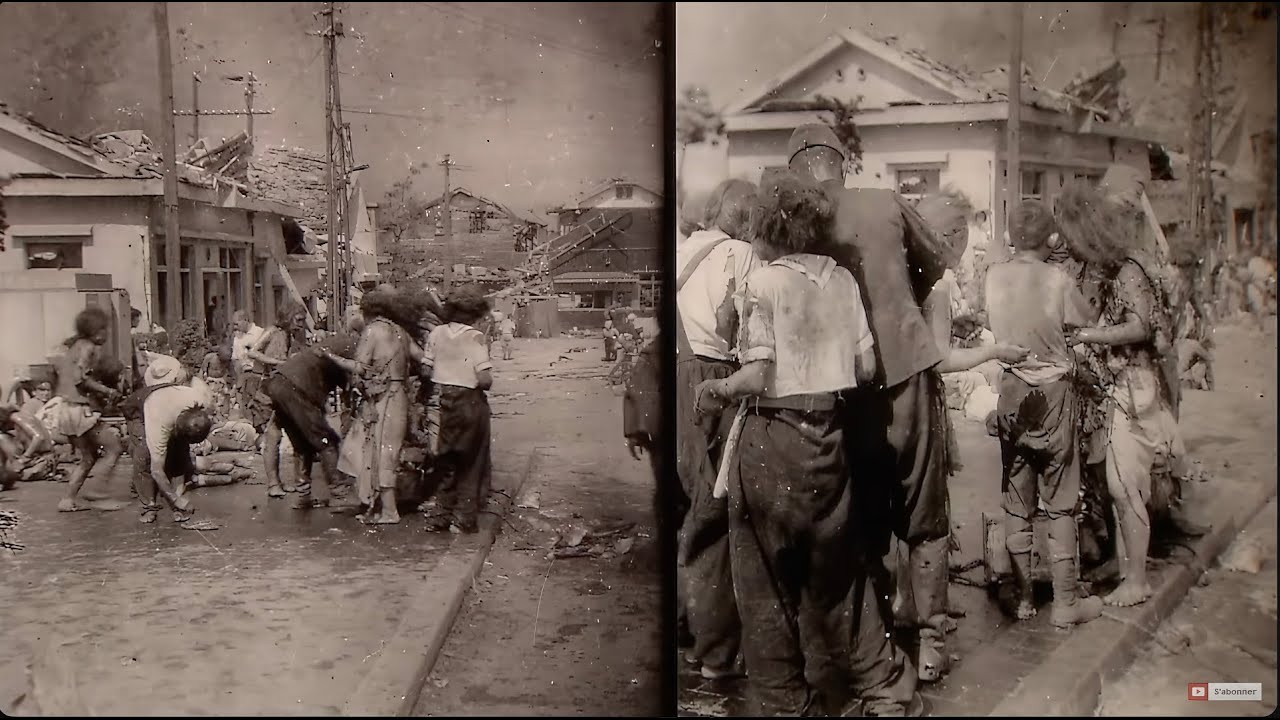
Intending to make an anti-war film, she thinks that her experience of witnessing the aftermath of the atomic bombing of Hiroshima gives her an understanding, which also draws from her experience of her fraternisation with the enemy. He criticises her for being presumptive, saying she knows nothing of what he is trying to put behind him – to forget.
She decides that despite their spontaneous intimacy and the connection with the dying throes of the man she loved that she sees in his twitching whilst dreaming, she must put him behind her. She must now forget him, which is mixed up with trying to forget the German soldier.
That is why she calls him Hiroshima, and he calls her Nevers. They are what they want to forget.