Reflecting on your imaginative scenario, I believe that mainstream historians and religious scholars would not consider such an alternative history to be realistic, and I will explain why.
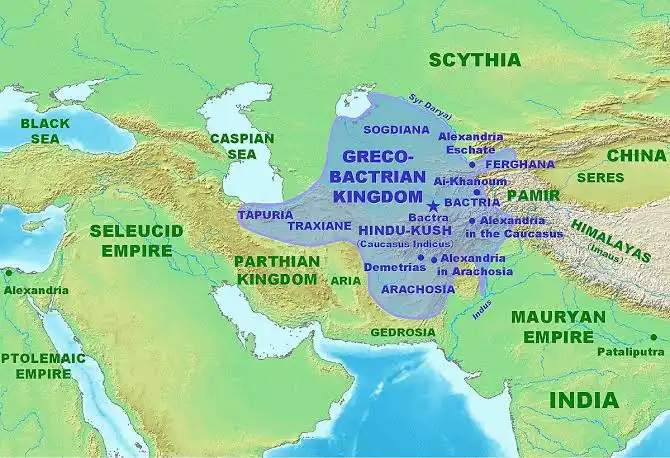
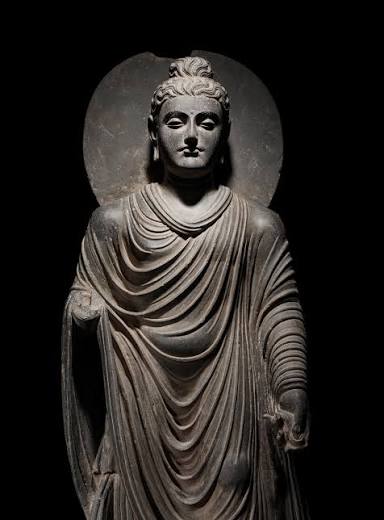
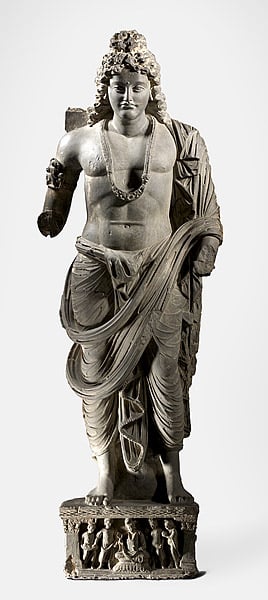
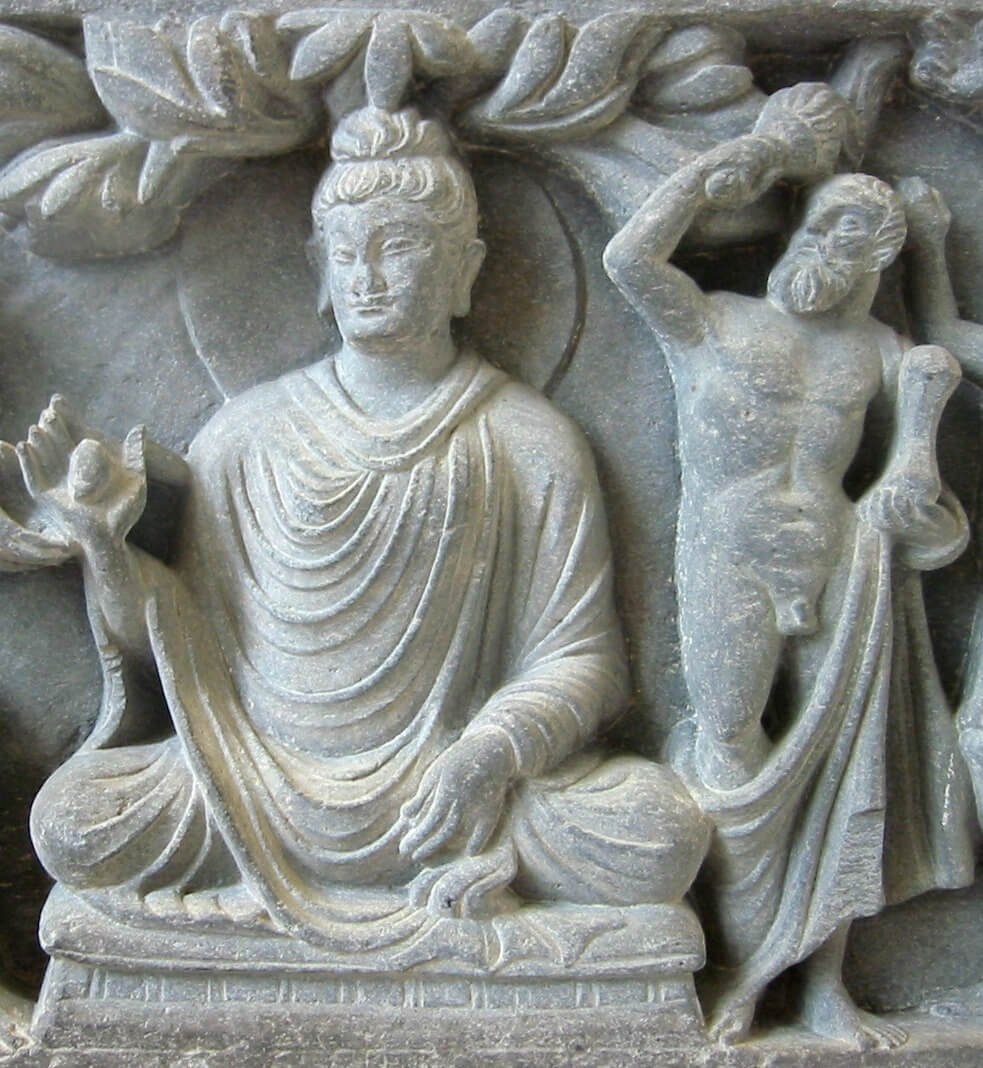
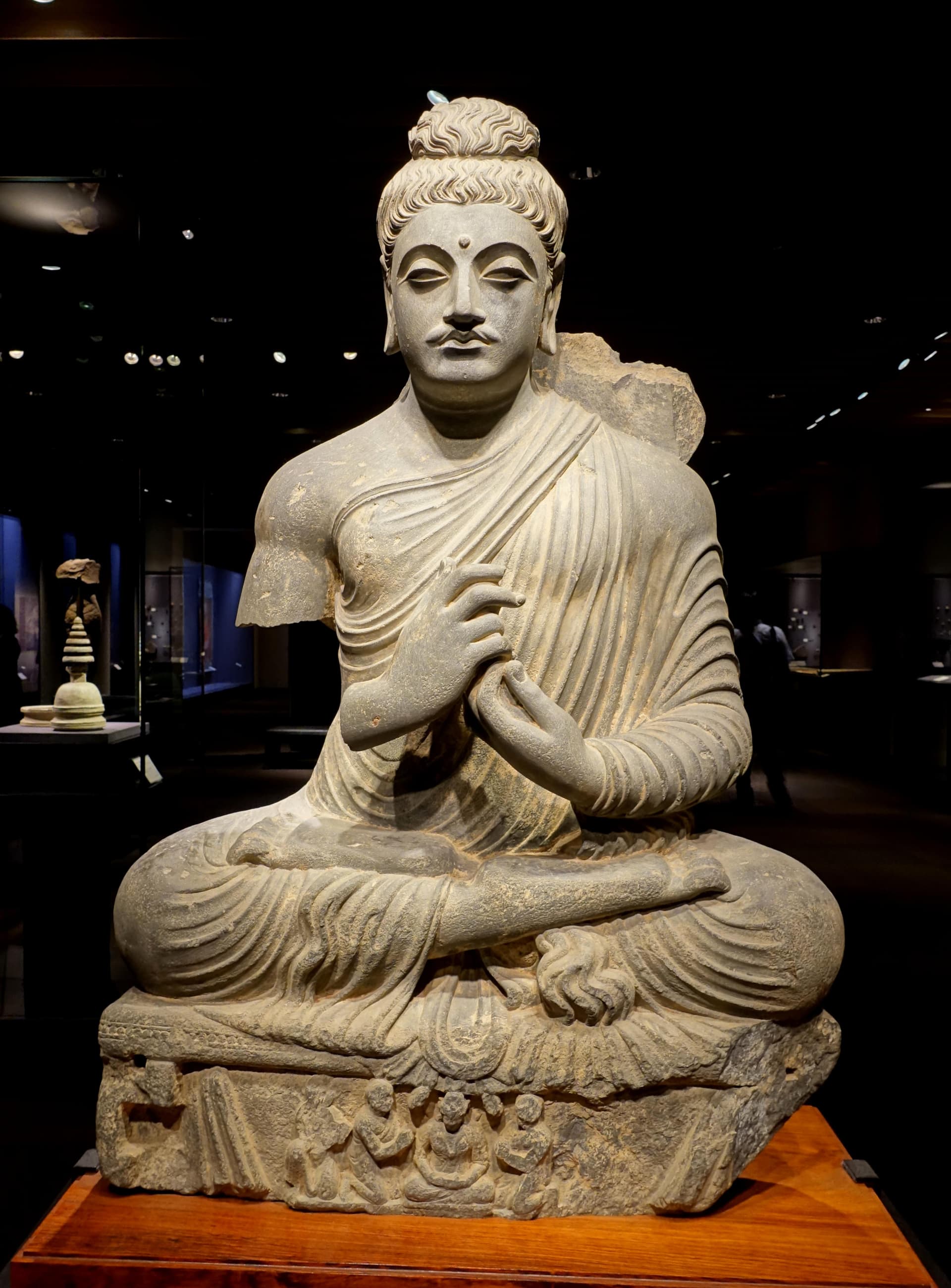
As we know, Buddhism did interact with Hellenistic culture in Bactria and Gandhara, especially after the invasions of Alexander the Great, resulting in Greco-Buddhist art and philosophical exchanges. The Buddha statues we know today have Greek influence. However, the spread of Buddhism remained largely eastwards into Central Asia, China and eventually Japan, rather than westwards into Europe. A westward movement of Buddhism had problems to solve.
The Roman and later Christian empires were both centralised and resistant to outside religious influences. Additionally, philosophical differences and local religious structures such as strong priesthoods and state cults in the Greco-Roman world would conflict with core Buddhist doctrines. Additionally, crossing linguistic, cultural, and political boundaries would have required sustained missionary activity, which is not evident in the historical record despite Buddhism being considered a missionary tradition.
This is because, in the 3rd century BCE under Emperor Ashoka, Buddhist missionaries known as ‘Dharma Bhanaks’ travelled widely to spread the Buddha’s teachings beyond India to regions including Central Asia, China and Sri Lanka, and according to some historical sources, as far west as Greece. In Buddhism, the ‘wheel’ (dharmachakra) symbolises the spread of the Buddha’s message around the world. Although the ‘wheel’ appears on some coins associated with the Indo-Greek king Menander I, who ruled the region of present-day north-west India and eastern Afghanistan in the 2nd century BCE, it does not appear on coins minted in mainland Greece. Instead, it appears only in these culturally syncretic borderlands where Greek and Buddhist ideas intermingled.
Additionally, Buddhist missionary activity was generally less aggressive than that of some later traditions, such as Christianity. Buddhist missionaries often relied on setting an example, engaging peacefully, and personal encounters rather than forceful proselytism. This allowed local populations to approach the missionaries and adopt Buddhist practices voluntarily if they found them meaningful. While this approach helped with the religion’s eastward spread through Asia, it may have limited large-scale conversions in regions with strong existing religious power structures, such as the Greco-Roman West.
The idea of gods such as Zeus, Odin and Lugh being worshipped alongside Buddhist practices probably draws inspiration from the syncretism seen in East Asia, such as the fusion of Shinto and Buddhism and the identification of Bodhisattvas with native deities. However, European pagan religions had different concepts of divinity and ritual society from the generally non-theistic and monastic-centric doctrines of Buddhism. Historical syncretism in Europe tended to enrich existing traditions rather than replace them fundamentally, as exemplified by the Romans’ adoption of Greek gods or their subsequent absorption into Christianity.
I can’t see how a westward expansion of Buddhism would have prevented the rise of Christianity, drastically limited Judaism, or blocked the development of Islam. Christianity emerged from specific Jewish apocalyptic movements within the Roman context and was therefore unrelated to the transmission of Buddhism along the Silk Road. Islam’s development was also rooted in Arabian tribal politics and Jewish-Christian Arab syncretism. Even if Buddhism had a stronger presence in Europe or the Middle East, the social, historical and theological evolution of these religions would probably have followed independent trajectories.
There was, after all, some interaction between Buddhism and Zoroastrianism in Central Asia (e.g. the Kushan Empire), but these remained distinct traditions and Zoroastrianism was already in decline by the time Buddhist influence peaked there. So, while the scenario described is fascinating for storytelling or speculative fiction, it wouldn’t stand up to scrutiny when examined through the lens of current historical research on religious diffusion and European/Middle Eastern history.

 Right on!