I’ll explain why I reject the idea that any group of people has an innate or ethnic tendency towards violence. Firstly, human behaviour is never reducible to such simple binaries and it isn’t a black-and-white issue, as the saying goes. Like all social phenomena, violence emerges from complex entanglements of history, power, deprivation and identity. Ignoring these complexities, or worse, explaining them through racial essentialism, turns us away from understanding and towards myth. Perhaps that’s why so few people attempt to grapple with the real causes, because doing so requires uncomfortable honesty about us and our societies.
I learned this lesson early on. As a history student, I soon became sceptical of the national myths we were taught at school — stories that glorified ‘our’ benevolence and played down the blood that was spilled. Having lived in Malaya for a time, I witnessed first-hand the quiet racism that permeated everyday life. I remember being pulled away from local children when I tried to play with them, as though innocence itself needed to be protected from contamination. Later, back in Britain in the 1970s, racism was less subtle. One of my closest friends was a boy whose family had come from Jamaica as part of the Windrush generation. Despite the surrounding prejudice, our friendship thrived, though the strain was never absent.
I recall visiting his home, where one of his older brothers reacted angrily to seeing me and called me a ‘spook’. My friend, ever the peacemaker, defused the situation with a joke. That humour, which was both his shield and his grace, stayed with me. When he eventually joined the army, we remained in touch, and years later he visited me after I had settled in Germany. But I could see how the years had worn him down. The spark that had once defined him had dimmed, tempered by the steady weight of the racism he had faced while serving. He eventually left the army, saying it had taken too great a toll on his spirit. We wrote to each other for a while, until one day he stopped replying. I later learned that some of the Windrush generation, men and women who had served the country that once summoned them for labour and war, were being deported to Jamaica, along with their children. This revelation felt like a national betrayal.
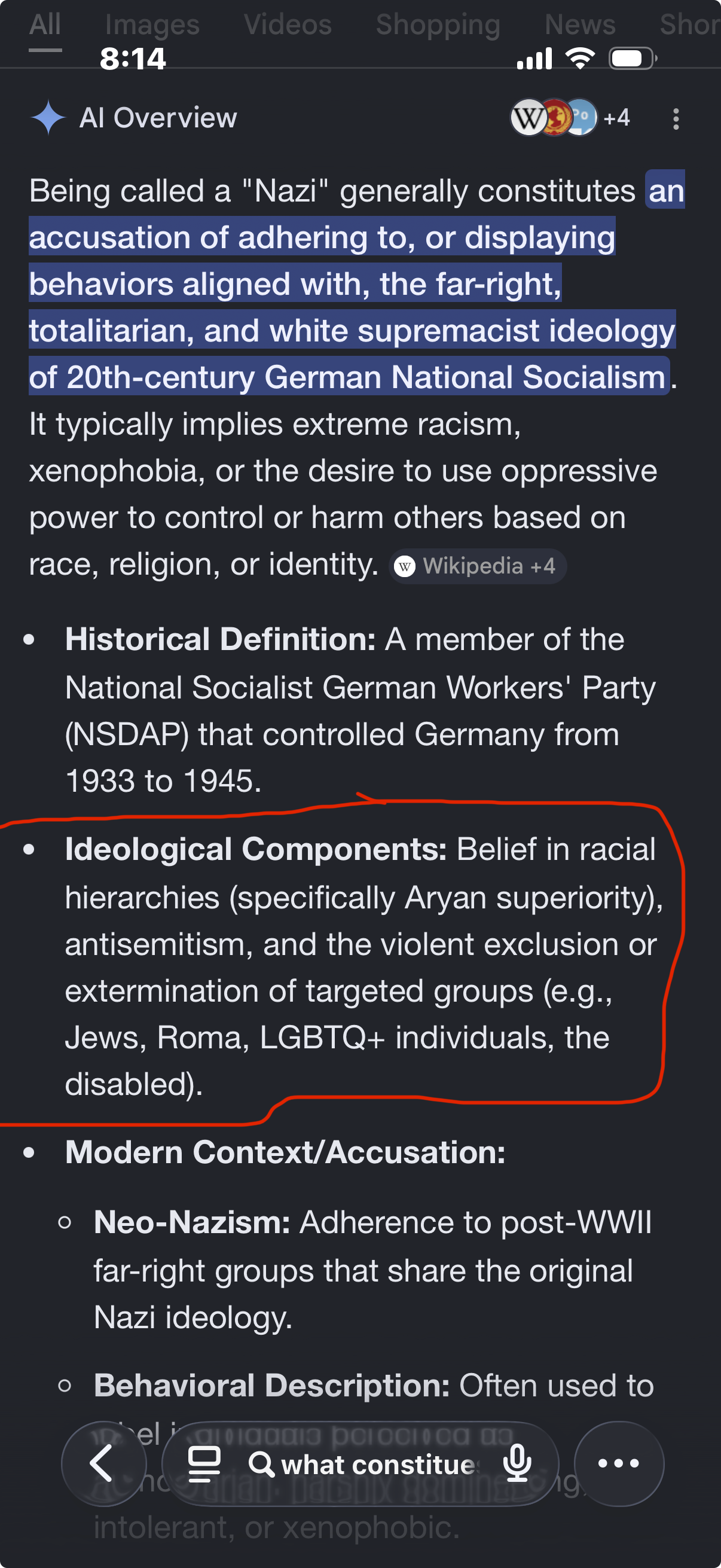
Living in Germany forced me to confront another dimension of racism: the industrial, ideological cruelty of National Socialism. Yet I found something profoundly instructive there: a willingness to confront history openly. In evening classes, I studied how a defeated and humiliated nation had drifted into Nazism after the First World War and how subsequent generations in Germany had grappled with that legacy. Susan Neiman, an American Jewish philosopher, wrote movingly about her years in Berlin in the 1980s in Learning from the Germans, describing how Germany’s painful process of remembrance became a model for moral accountability. This notion of learning from the past rather than burying it transformed my perspective on British and American history.
Following these ideas led me towards investigative journalism and critical historiography. The more I read, the clearer it became that our established narratives were designed to mislead and protect illusions of moral superiority. Gradually, new voices began to challenge the old story, with historians writing honestly about the brutality of empire, slavery, the conquest of the Americas and the exploitation that underwrote Western ‘progress’. The more I learned about these issues, the more obvious it became that what colonial powers labelled ‘terrorism’ was often the desperate reaction of the oppressed, and an expression of violence in the face of resistance rather than an inherent racial or cultural tendency towards hatred. People do not become violent simply because they are born that way; they become violent because they are denied the space to live freely.
The decades since the Second World War reveal a similar pattern. The global ‘struggle against communism’ was, in retrospect, less a defence of freedom than a campaign to preserve Western dominance and capitalist hegemony. Movements seeking independence or social justice, often led by moderate reformers, were undermined, silenced or exterminated by foreign intelligence services and covert interventions. Even CIA veterans have admitted as much in hindsight. The record is clear: systemic violence, whether imperial or institutional, cannot be blamed on ethnicity. It is politics, economics and fear masquerading as nature.
Ultimately, that is why I resist these claims about ethnic proclivity to violence. Believing them is letting injustice hide behind biology; challenging them is insisting on seeing history, power and humanity in all their messy, painful interdependence. The struggle has been, is, and will always be about power asserting its will over ordinary people trying simply to live decent lives. When we choose to strike at them instead of standing with them, we become complicit in that domination.