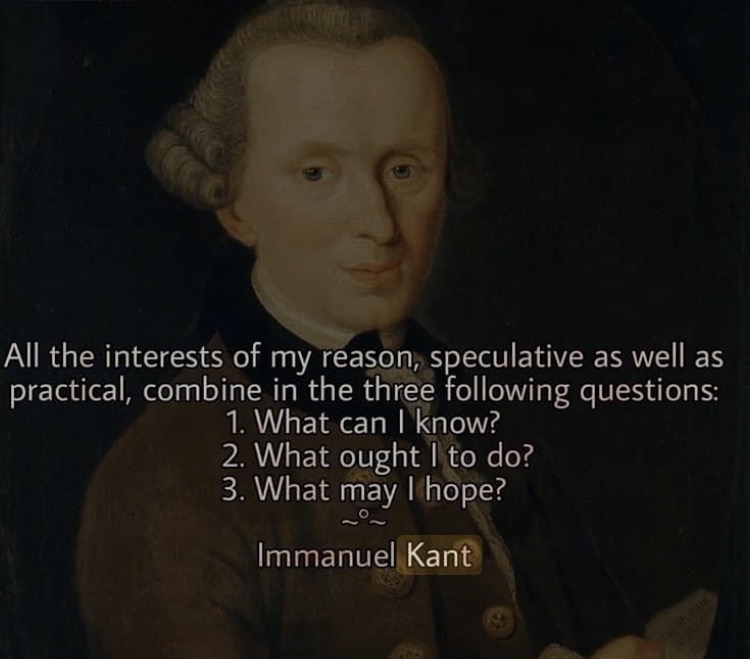
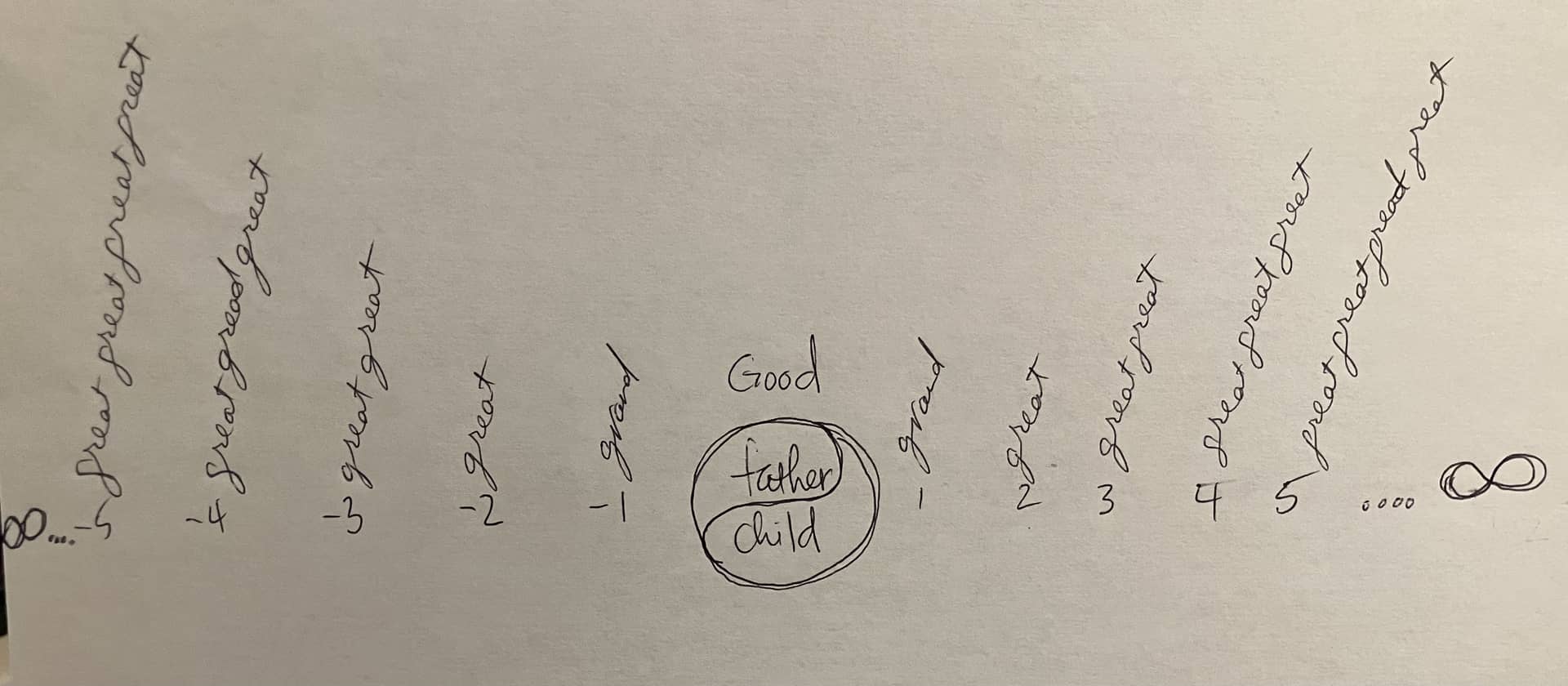
I will give you my point of view on that.
I start with the third question, which is central:
Why do we ask why?
Because this is part of the way our brain functions. And this functionality has high survival value, which is essential for the evolution of our species.
To elaborate on this: The development of the human brain follows the evolutionary path as described by paleontology and biology. We do not know with certainty at which stage (before homo-sapiens or during homo-sapiens) our thinking operations evolved to add “why” questions, but it is clear that they had extremely practical/survival outcome:
Why should I not walk close to the edge of the cliff?
Because the others who did that fell and died.
Why should I hide behind the bush while hunting?
Because otherwise I will never catch the deer.
Why should I keep the fire inside the cave?
Because it is freezing cold outside.
Why should I put out the fire before going to sleep?
Because I will burn and die by accident.
etc.
Correction for better clarification: Concerning the other two why’s
Eventually, as our mental capacities evolved, we became so powerful animals that survival was not our only motivation. We wanted better living conditions.
So we developped more elaborate why:
Why should I live in societies?
Because it is better for my survival and also I benefit from the common labor of the community.
Why should I have domestic animals?
Because it makes the food far more accessible and safe compared to hunting.
etc.
As it usually happens with evolution, the direction which any organism evolves is difficult to be predicted, since it depends on multiple parameters. What we know historically is that higher mental functions and more elaborate “why” arose later, when our societies became so organized that survival was a given, not a goal to be reached.
When the stomach is full, I have plenty of time to do philosophy. Which is what the free men did in antiquity (slaves very seldom had the chance to spend time thinking).
Correction: The other two "why"s you mentioned came up to the human interest when free men, with excessive amount of time to waste (thanks to the labor of their slaves), started asking all sorts of questions.
From my philosophical perspective, the first two questions are non-addressable by logic or any type of “proof”. I postulate existence and motion axiomatically and I am done with that.
If you are religious, you attribute them to God and you are also done with that. If you like, you can also attribute the third to God.