- Knights: armor, castles, feudal loyalty (1000–1300)
- Mobsters: suits, cars, urban crime families (1930–1970)
- So Iconic and stylish when men were men and life was simpler from the invincible middle ages Knights armor to the cool pinstripe suit silhouette of the 20th century.
1 Like
- Technocratic dystopia with people having their faces glued to small rectangles while their brain atrophies to that of a snail’s, meanwhile the government tells you that immigration is good, getting stabbed by third world animals is normal, and men are women.
Men can still be men.
All you have to do is, you know, be a man.
1 Like
Can you elaborate on that? What qualities is a man expected to have?
First of all, a hairy chest. Indispensible.
1 Like
Fair do’s, can’t argue with that. How can Magnum P.I be wrong?
If you can keep your head when all about you
Are losing theirs and blaming it on you,
If you can trust yourself when all men doubt you,
But make allowance for their doubting too;
If you can wait and not be tired by waiting,
Or being lied about, don’t deal in lies,
Or being hated, don’t give way to hating,
And yet don’t look too good, nor talk too wise:
If you can dream—and not make dreams your master;
If you can think—and not make thoughts your aim;
If you can meet with Triumph and Disaster
And treat those two impostors just the same;
If you can bear to hear the truth you’ve spoken
Twisted by knaves to make a trap for fools,
Or watch the things you gave your life to, broken,
And stoop and build 'em up with worn-out tools:
If you can make one heap of all your winnings
And risk it on one turn of pitch-and-toss,
And lose, and start again at your beginnings
And never breathe a word about your loss;
If you can force your heart and nerve and sinew
To serve your turn long after they are gone,
And so hold on when there is nothing in you
Except the Will which says to them: ‘Hold on!’
If you can talk with crowds and keep your virtue,
Or walk with Kings—nor lose the common touch,
If neither foes nor loving friends can hurt you,
If all men count with you, but none too much;
If you can fill the unforgiving minute
With sixty seconds’ worth of distance run,
Yours is the Earth and everything that’s in it,
And—which is more—you’ll be a Man, my son!
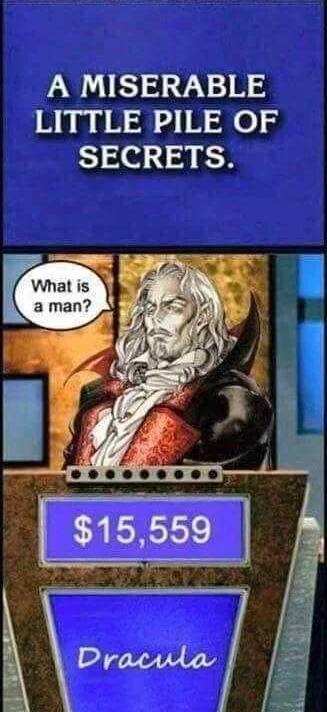
An era with the systematic exploitation of peasants, no social mobility, nothing to stop the abuses of the nobles, constant warfare, heavy taxation, regular famines, torture and mutilation were part of the justice system, no freedom of belief - not being Christian could lead to torture and death, and very high death-in-childbirth rates and child mortality rates. Knights could be fine and dandy but during wars, knights often looted villages, stole food, burned crops, raped and terrorized. Some knights effectively acted as armed extortionists, demanding tolls or protection payments. Chivalric ideals applied primarily to interactions among nobles, not to peasants populations who could be treated terribly.
Murder and assassination – Rival gang members, informants, witnesses, business owners who resisted extortion, and sometimes innocent bystanders were killed. Violence as a routine business tool.
Protection rackets – Businesses could be forced to pay money to avoid vandalism, assault, arson, or worse. The “protection” being sold was often protection from the mob itself.
Loan sharking – People in financial trouble were offered loans at extremely high interest rates. Failure to pay could result in beatings, loss of property, or ongoing coercion.
Labor racketeering – Some mob groups infiltrated unions and used them to extract money, control industries, intimidate employers or workers, and manipulate contracts.
Corruption of public officials – Bribery of police officers, judges, politicians, and other officials undermined the legal system and gave criminal groups protection from prosecution.
Illegal gambling operations – While gambling itself may seem relatively harmless, many illegal gambling networks were tied to coercion, debt collection through violence, and broader criminal enterprises.
Human trafficking and prostitution rings – Some organized crime groups profited from exploiting vulnerable women and girls, often through coercion, debt bondage, or outright trafficking.
Drug trafficking – Although some mob leaders publicly claimed to oppose narcotics, many criminal organizations became involved in drug distribution because of the profits involved.
Witness intimidation – People who testified against mob members could face threats, violence, or retaliation against family members.
Economic parasitism – Rather than creating wealth, many rackets depended on extracting money from legitimate businesses, workers, and communities through fear and coercion.
Sociopaths can wear cool clothes. Even today there are surely many manly men wearing stylish clothes and ordering their underlings to load women and children in shipping containers.
2 Likes
Do you believe that all Knights from the middle ages an Italian American mobsters from the 20th century were evil ? And also why is it that the films that Hollywood makes romanticize these things ?
Good vs evil is binary polarisation. We look at others and think “is that person good, or are they evil?”, there is practically no in-between in our Western mindset. It’s complete nonsense.
Hollywood capitalises on this, and often makes the classification ambiguous, until the end of the movie, however, when we find out that of course the hero was good all along, and all those people he killed had to die because of their lack of righteousness. It’s a childish view of morality, because Hollywood is childish and the films are usually written and made to appeal to the lowest common denominator, i.e. someone without a functioning sense of realism.
I wouldn’t look to the movies for a sensible view of what is good and what is evil, your own conscience can answer that question much better than Hollywood can.
No, but I don’t think it was an epic and badass era.
Hollywood romanticizes things. That’s what they do more than other centers of film-making. And I can certainly enjoy a film about either group of people, while aware that films simplify things. And, or course, even Hollywood manages to produce unromantic portraits.