

1 Like



Listen to everything….then compare it with your own personal experiences and reason out which outlet, which source, is being honest….or more precise.
Especially all you Americanized, brainwashed, minions….who have been born and raised under a particular propaganda machine claiming to have a monopoly on freedom and truth.
2 Likes
Hmm, the ai seems to be more critical of the United States today.
Asked ai their opinion on John Mearsheimer:
John Mearsheimer does argue that U.S. policy toward Iran is heavily driven by a regime‑change agenda and that sanctions play a major role in Iran’s economic distress, but his position is more nuanced than “America are villains” or “it is all the fault of sanctions.” He is offering a realist critique of U.S. grand strategy, not a moral absolutist claim that Iran’s leaders bear no responsibility for their own country’s problems.
What Mearsheimer actually argues
Mearsheimer frequently describes U.S. policy as a “classic regime‑change operation” in which Washington (often together with allies like Israel) uses tools such as sanctions, covert action, and information campaigns to try to topple unfriendly governments, and he has applied this framework to Iran.
He also emphasizes that the United States helped overthrow Iran’s elected Prime Minister Mohammad Mossadegh in 1953 and installed the Shah, which he sees as a core source of long‑term Iranian resentment and mistrust of the U.S.
Sanctions and Iran’s economy
Scholarly and policy analyses agree that U.S. and international sanctions have significantly worsened Iran’s economic situation by restricting oil exports, financial transactions, and access to foreign investment and technology.
At the same time, experts also highlight domestic factors—such as corruption, mismanagement, and the costs of regional military activities—that contribute to Iran’s poverty and inequality, meaning sanctions are a major aggravating factor but not the sole cause of Iran’s economic problems.
“Villains” and moral responsibility
Mearsheimer’s broader realist view is that great powers, including the United States, routinely engage in coercive and often destabilizing behavior abroad in pursuit of their perceived national interests, which he criticizes as dangerous and counterproductive but treats as structurally driven rather than uniquely “evil.”
In his comments on Iran, he warns that militarized regime‑change efforts and extreme economic pressure tend to entrench authoritarian regimes and harm ordinary people, and he argues for a more restrained U.S. policy rather than claiming that Iran’s leadership is blameless or that only America is morally at fault.
Iran would almost certainly be better off without four decades of intense external pressure and sanctions, but it would not automatically become “decent” or well‑governed just by removing American meddling. Both foreign pressure and the choices of Iran’s own leaders matter.
Impact of U.S. pressure
Broad U.S. and international sanctions have clearly reduced growth, investment, and living standards; for example, research suggests Iran could grow several percentage points faster without them and might have added hundreds of billions in output by 2040.
Sanctions have especially hurt the middle class, shrinking it far below where it likely would have been, and have frozen much of Iran’s oil revenue, limiting the state’s fiscal space.
Limits of the “all America’s fault” view
Analyses of Iran’s economy emphasize deep domestic problems: corruption, politicized and opaque institutions, powerful parastatal actors like the IRGC in key sectors, and heavy spending on regional power projection instead of domestic reforms.
Even without sanctions, experts argue that outdated infrastructure, weak rule of law, and poor business conditions would still hold the country back unless there were serious internal political and economic reforms.
What “decent” would realistically require
To become a broadly prosperous and more livable country, Iran would need both external de‑escalation (less sanctions and confrontation) and internal changes such as more transparent governance, better protection of rights, and a genuine rule‑of‑law environment for citizens and investors.
In that sense, American meddling has made things noticeably worse, but Iran’s destiny is not simply blocked from outside; it also depends on choices made in Tehran, regardless of what Washington does
1 Like
.
Shocking, but not surprising.
Gen Zeds don’t have no conversation, in that all they talk about are drugs, sex, money their purchases, their fetishes, and celebrities.
..isn’t everyone ‘a brand’ these days, or are being encouraged to be.
I don’t think they’re all like that, usually just the embarrassing ones. Some of them have their heads down and are quite busy, I have nephews and I’ve had brilliant conversations with them, they do seem to know much of what is going on, but they usually take the piss more than discuss things.
Yep, and it’s very, very sad. Going for the up-votes high score all the time, and saying only what will appeal to as broad an audience as possible. We have all these methods of communication now, but it’s been turned into a giant popularity contest.
1 Like
.
..do your nephews do the 6/7 thing? ..it’s like a cult, but built around a fetish for numbers. 
No I had to look that up. F**k knows what that is all about, looks like just a way to troll people
1 Like
Ahh, the process. Thanks Gary.
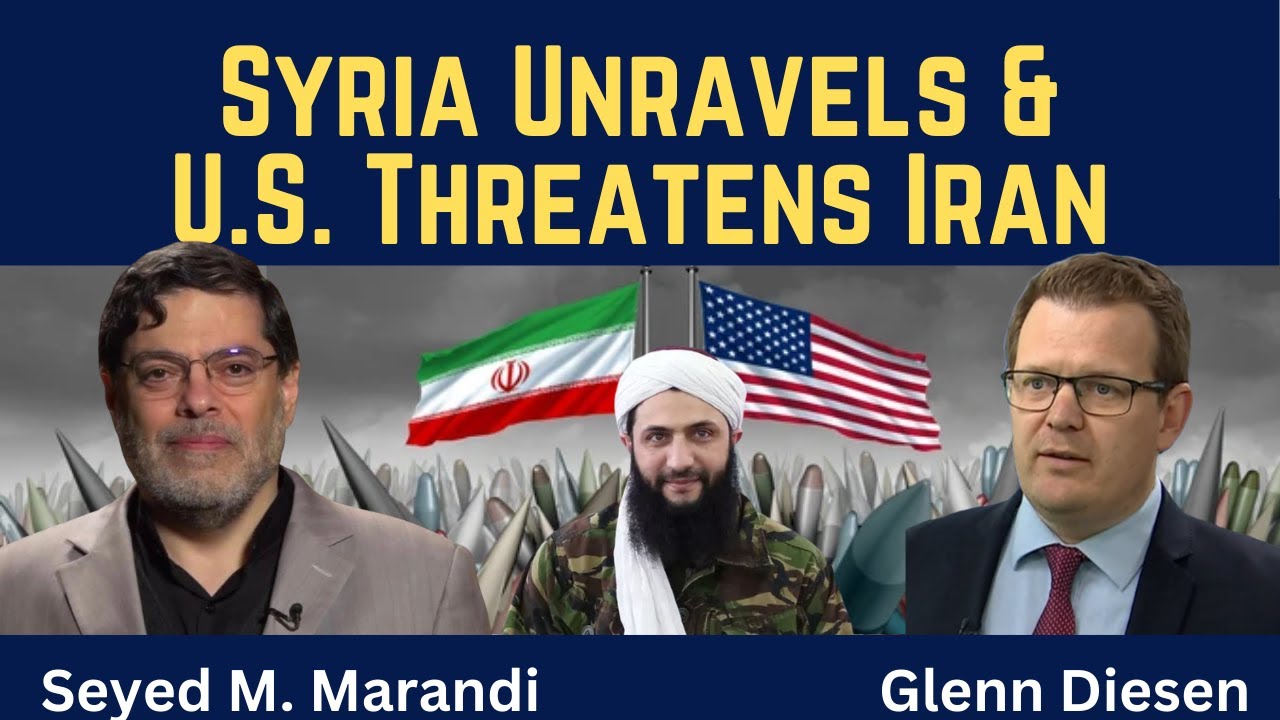
Ukraine. From someone who actually knows what they are talking about.

Might be some mods around on these.
edit - borne from frustration about a certain situation, I like this forum.
1 Like