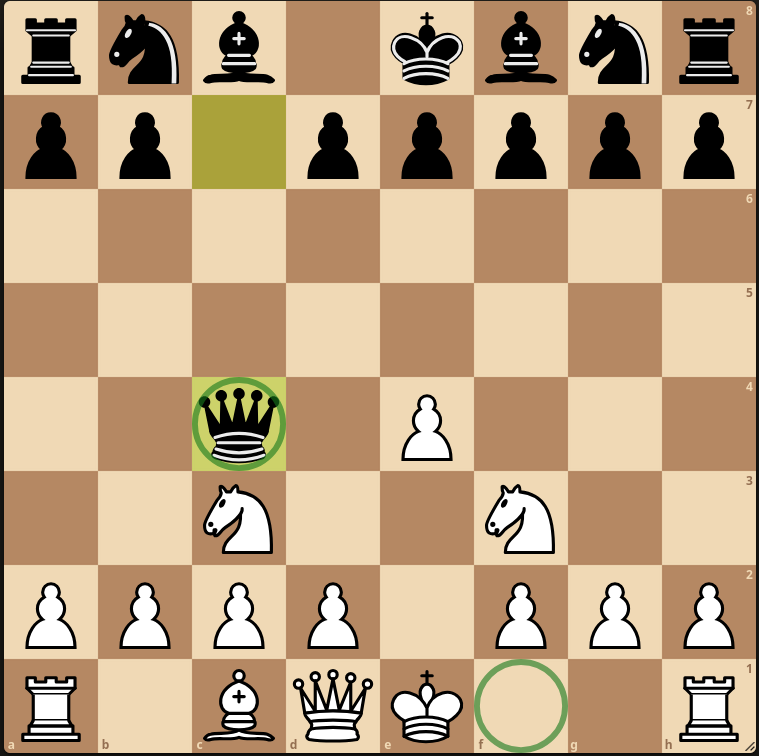
Based on this, my guess is that you are trying to castle through check. Here’s an example of what I mean:
You couldn’t castle here because the queen is threatening f1, so the king would have to move through check on the way to g1.
If you got rid of all your pawns, there’s a good possibility that one of the opponent’s pieces is threatening f1 or d1, and that would make castling an illegal move.
En passant trips up a lot of beginners, but it makes sense once you understand why it exists. First the mechanics:
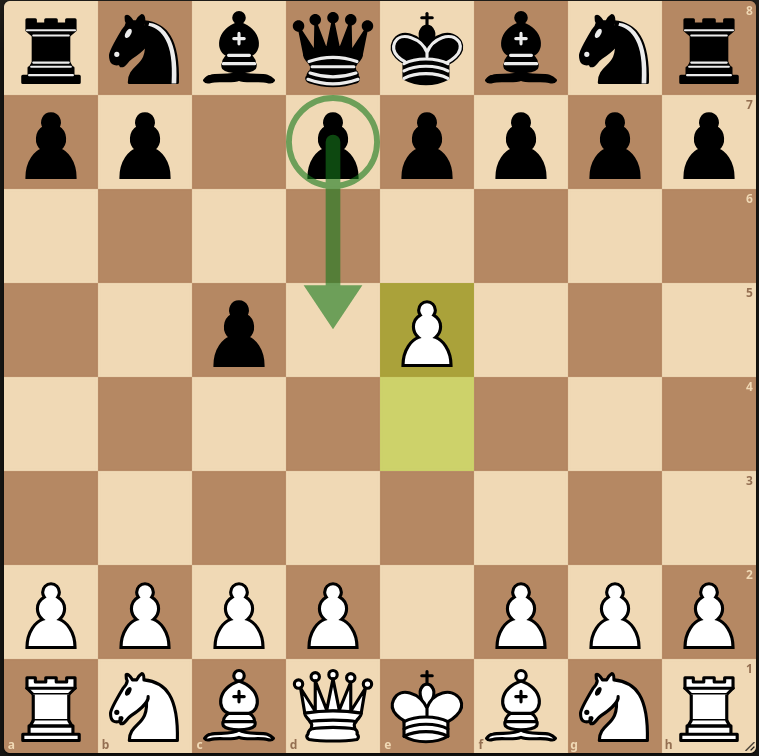
Setup: White has a pawn on the 5th row, and black moves a pawn two spaces to end up beside it:
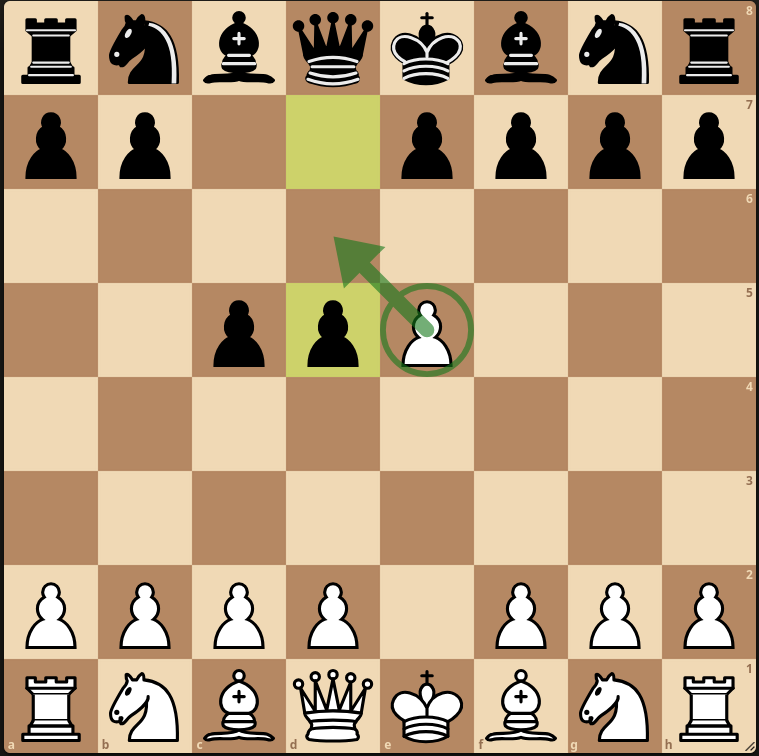
On white’s turn after the black pawn moves (and only on that turn), the white pawn can capture the black pawn as though it had only moved one space:
As I understand it, the reason en passant exists is that originally, pawns didn’tt have the option to move two spaces on their first move, that was a later addition to the game to speed up the opening. But moving two spaces would deprive pawns in adjacent columns of the chance to capture it. En passant was the compromise: the pawn can move two spaces, but the opponent’s pawn can capture it anyway.
Thinking of it that way helps me remember how it works, hopefully it helps you too.
But you won’t, and you have good reason to believe that you won’t. That computer is roughly as good as the best human chess player ever, possibly better. People who have devoted their entire lives to studying chess will lose to it more often than not. You are learning to play chess in mid life. You might become a capable chess player, but you will never beat that computer.
There’s nothing wrong with that. You thought you had solved chess, but you can see that wasn’t true. You should update your beliefs on that new information.
I’m glad to hear that. I’ve felt the burden of existence too; it’s hard being sentient. At my lowest, I developed a mantra that I still use: “love even the rain”, i.e. loving the nice parts of life is easy, but you can learn to love the sadness and pain and the burden of existence too.
It’s cheesy, but it works for me.
I’m sorry, I’m not trying to call you names, and I know labeling is always reductive. But labeling is useful for noticing, for getting handle on things. That’s my goal.
And I could not complain if you did: turnabout is fair play. I know I have my mental failure modes, and you may see them more clearly than I do.