Hume’s Fork
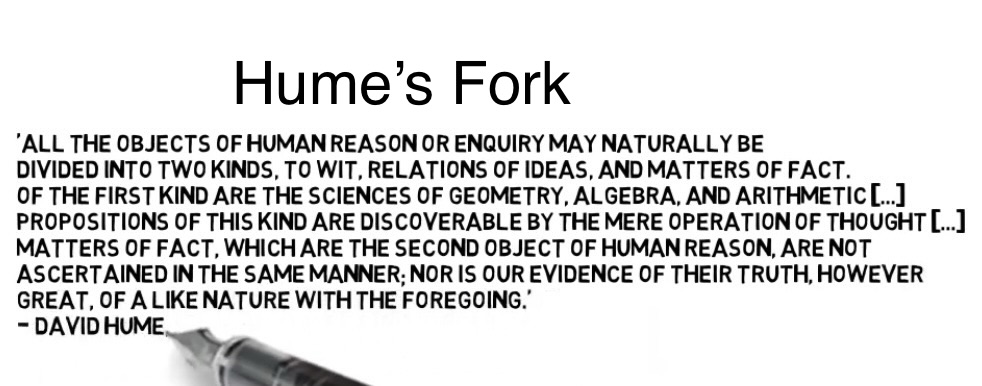
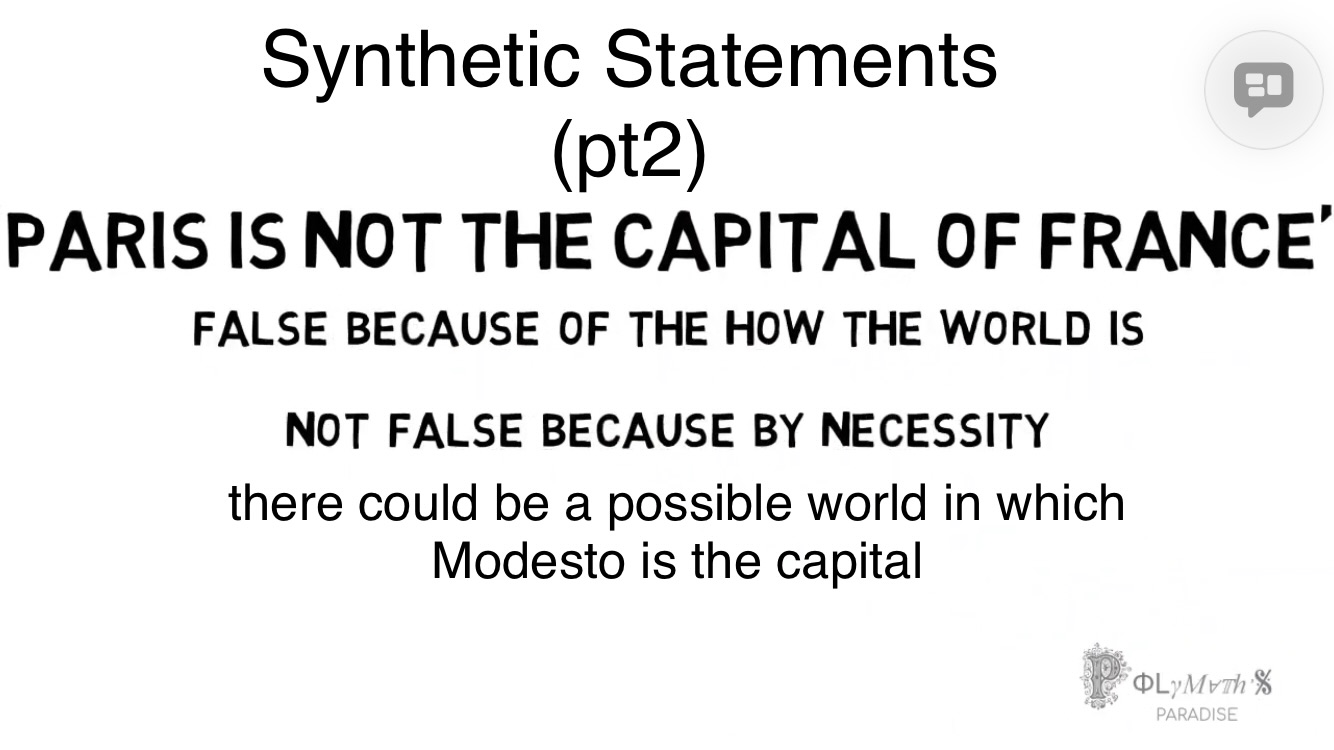
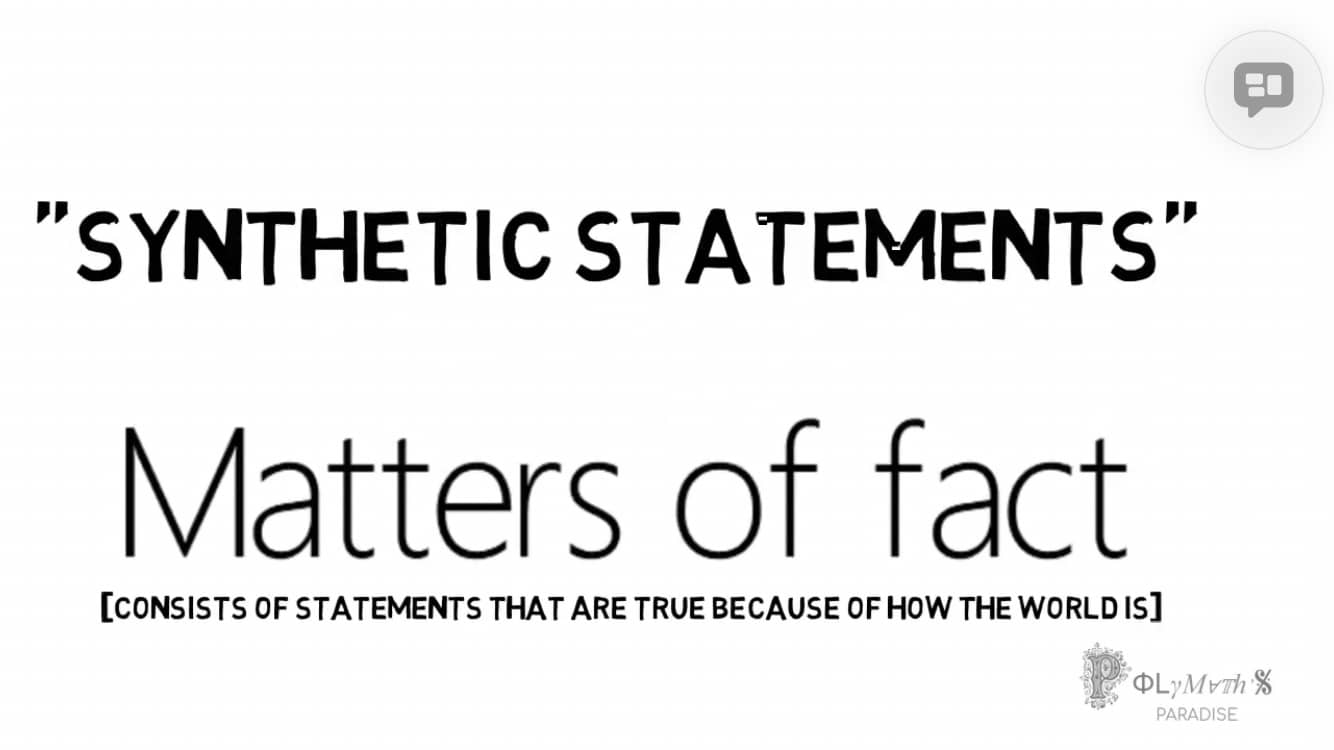
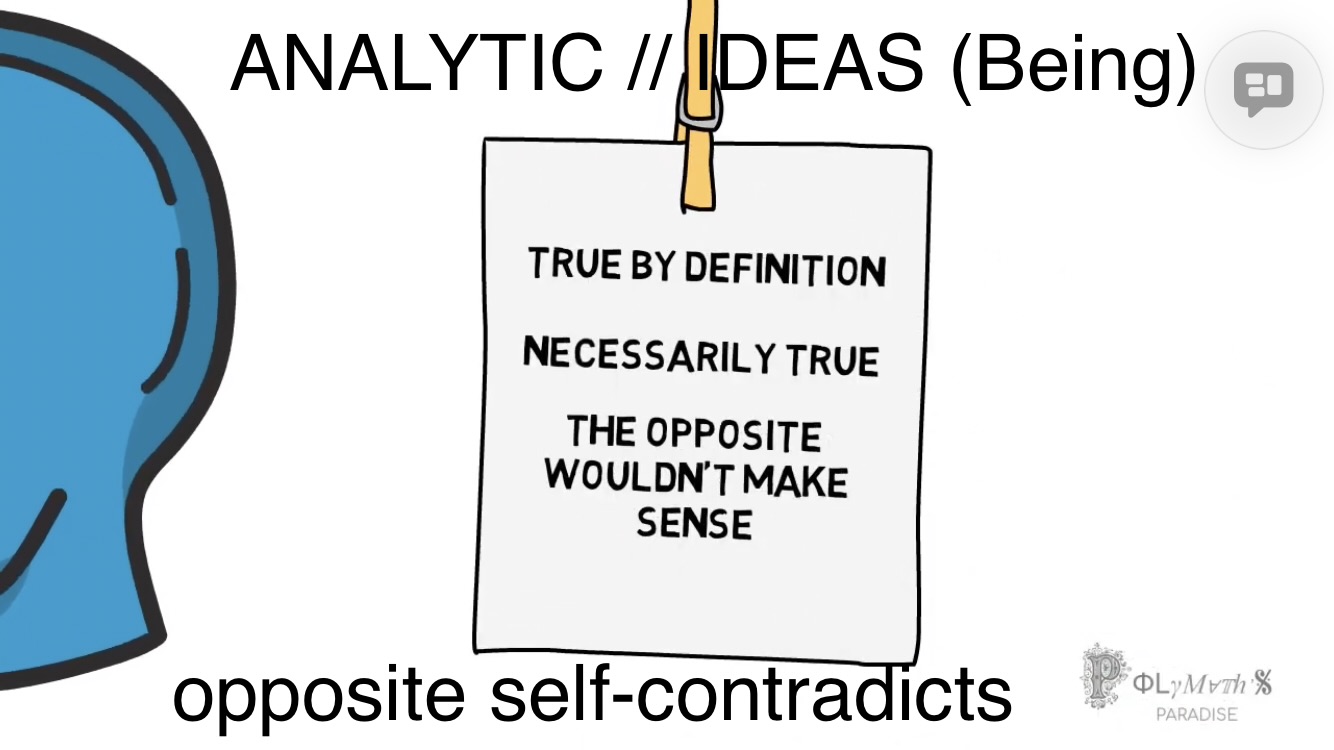
Hume claims analytic a priori ideas of rationalism don’t tell us about the empirical world, and that where the “facts” are found and checkable is in the synthetic a posteriori physical world of experience (empiricism)—and never the twain shall meet.
The video says God is excluded from existing in the physical world, so empiricism has nothing to say in support. Further, it says analytic statements are about mere abstractions and tell us nothing about the world.
Kant was like… dude… the noumena grounding all analytically valid statements are real & we at least sorta access them via the phenomenal (which is how they reveal themselves).
How this relates to Hume’s is-ought guillotine is … for him … isness ain’t the abstract idea stuff, for one (and forget about the nuomenal). It’s the facts about the phenomenal world. Second—the oughts are not ises (facts about the phenomenal world). Resolved if you accept the nuomenal as the real ground that makes oughts factual descriptors. Similar to how we are not perfect like the nuomenal, so the oughts do not always describe our character, behavior, or values, and we are subject to time, whereas the nuomenal is omnitemporal (present, but not subject, to every time t).
We’re weird because we put oughts as actions in actuality (though we also put them triadically)… the how… ironically the only place Hume is comfortable inhabiting (because justificatory science/induction).