Whether capitalism is in its “late stage” is a debated concept originating from Marxist theory, with some arguing that current economic trends like wealth inequality and environmental degradation point to a crisis-prone, terminal phase, while others see it as a new, adaptable phase or an evolution rather than a demise. The term describes a perceived unsustainable phase of capitalism characterized by increasing contradictions, but it doesn’t have a universally accepted definition or a definitive endpoint, with some suggesting that new forms of capitalism, rather than its collapse, are emerging.
Arguments for capitalism being in a late stage:
• Growing Inequality:
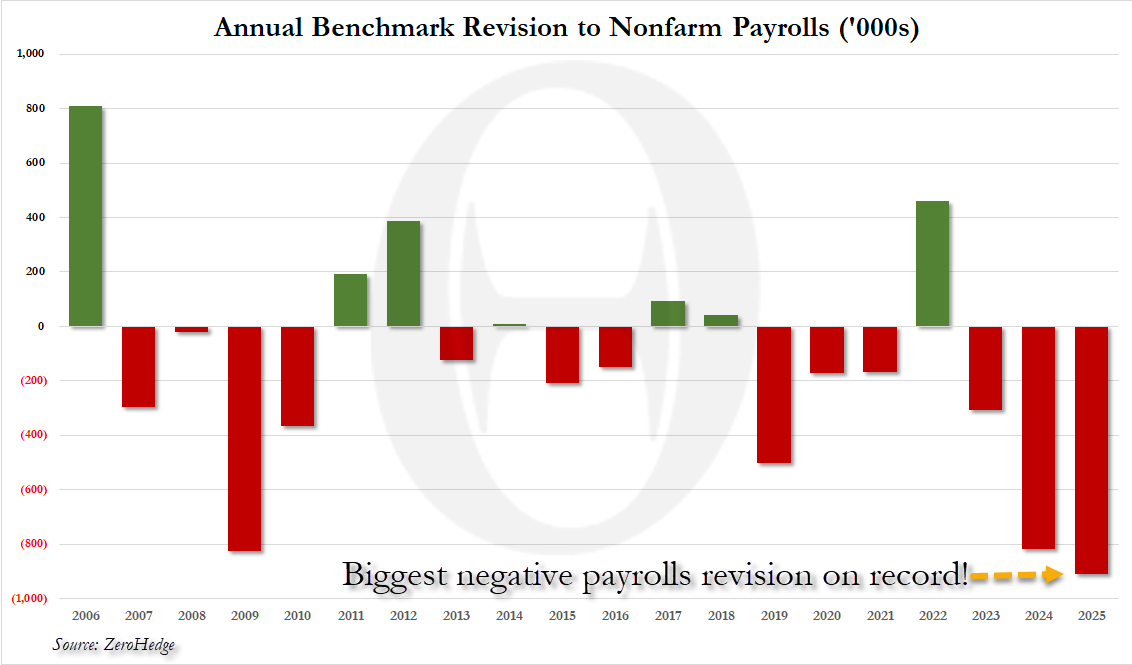
The increasing concentration of wealth in the hands of a few, along with stagnant wages for the working class, is seen as a sign of capitalism’s inherent contradictions.
• Commodification:
An emphasis on market value leads to the commodification of aspects of life that were not previously market-driven, which is seen as a symptom of capitalism’s current, intensified phase.
• Environmental Degradation:
The unchecked pursuit of profit is contributing to environmental problems, with some arguing that a “late” stage of capitalism cannot sustain the natural resources it depends on.
• Automation and Job Displacement:
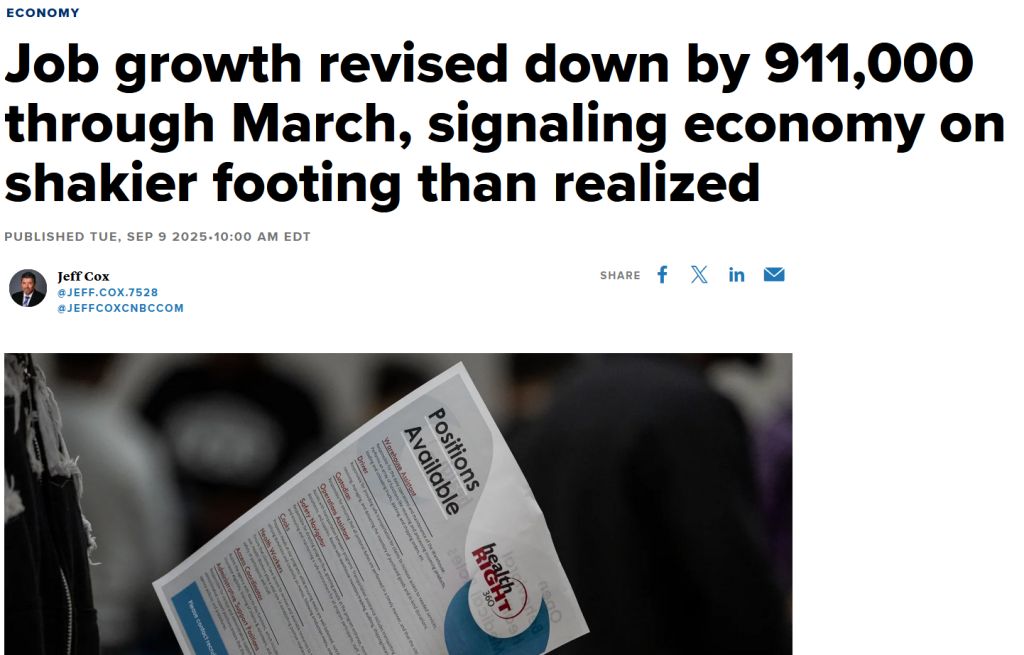
The advancement of AI and robotics is expected to eliminate millions of jobs, potentially making a large portion of the population economically irrelevant and increasing social instability.
Arguments against capitalism being in a late stage:
• Adaptability and Evolution:
Capitalism has proven capable of adapting to new challenges and global shifts.
• New Models of Capitalism:
The emergence of B-Corporations and redefined corporate purpose signals a potential evolution of capitalism to incorporate more social and environmental considerations.
• Historical Recurrence:
The idea of a “late” or “end” stage of capitalism has been proposed during various periods of economic crisis, including the 1970s and the subprime crisis, and has yet to materialize into the demise predicted by Marxist theory.
• Lack of a Defined End:
The term lacks a clear definition of what would come “after” late-stage capitalism, which can vary from revolution to a new form of societal organization.
Conclusion:
While the term “late-stage capitalism” is a powerful critique of current economic trends, there is no consensus that it signifies the imminent collapse of the system. Instead, it describes a phase marked by significant economic and cultural transformations, with debates focusing on whether these transformations will lead to a terminal crisis or a fundamental evolution of capitalism.